
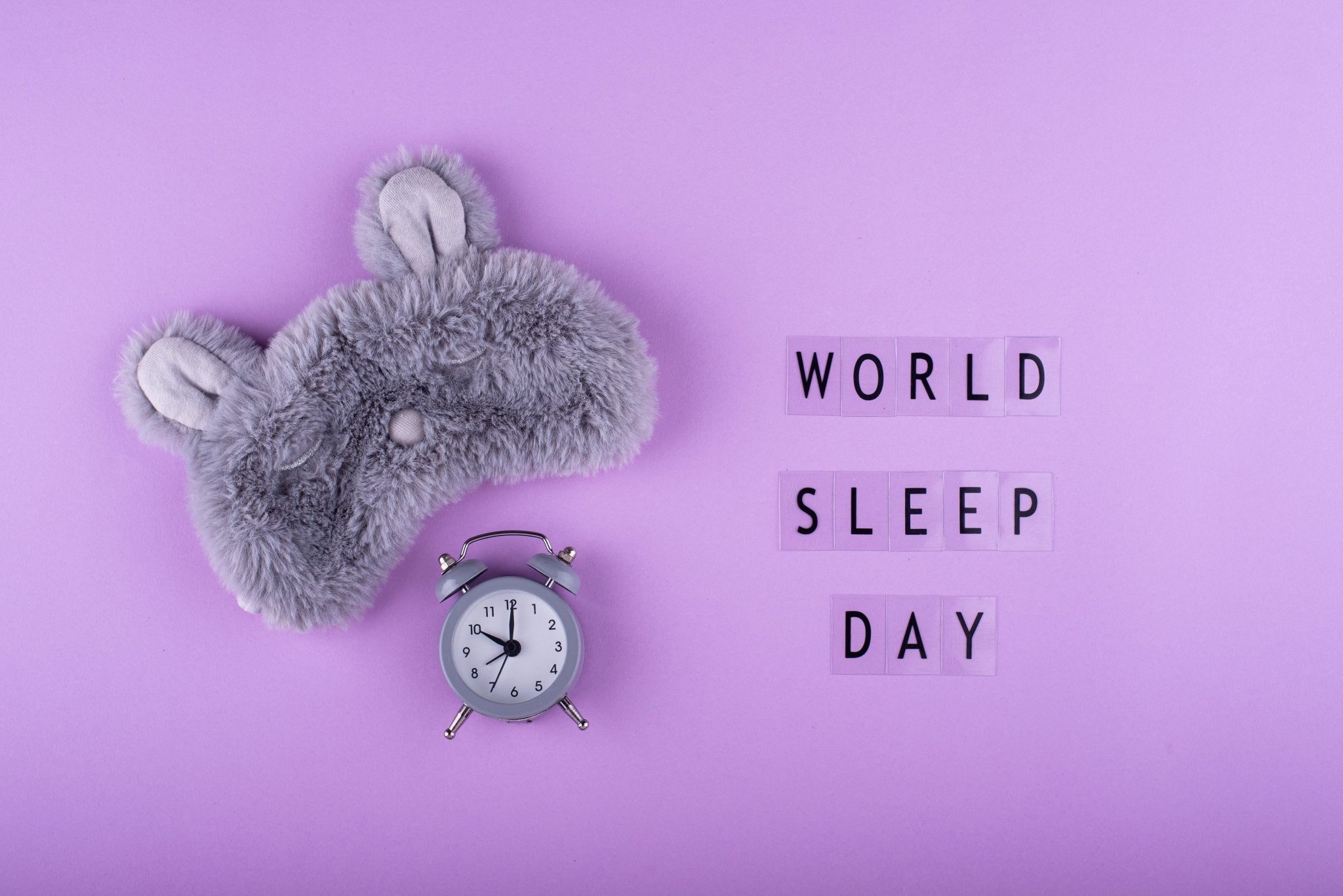
Sleep Well, Live Better: What World Sleep Day 2026 Is Asking You to Remember
There's a moment most of us know well. You're lying in bed, phone finally face-down on the nightstand, and you think: I really need to get more sleep. Then the alarm goes off, and the cycle starts again.
We live in a world that quietly rewards exhaustion. Logging off late is "dedication." Running on five hours is almost a badge of honour. And somewhere along the way, sleep, the thing our bodies literally cannot survive without, got demoted to a luxury. Something we'd get to once everything else was handled.
This March 13, World Sleep Day 2026 is pushing back on that story. This year's theme, Sleep Well, Live Better, is a simple but powerful reminder: the quality of your rest shapes the quality of everything else. Your mood, your clarity, your relationships, your health. Sleep isn't downtime. It's the foundation.
At Groundd, we think you can't build a whole, well life on a depleted body.
Why sleep keeps getting cut first
Here's the thing about sleep: it doesn't advocate for itself loudly. Hunger is uncomfortable. Thirst is urgent. But the early stages of tiredness are sneaky, a little more coffee, a little more screen time, and we barely notice the slow erosion of our sharpest, most resilient selves.
Good sleep matters. Poor sleep is widely linked to higher stress, lower resilience, and worse concentration. It affects how we process information, how we relate to the people around us, and how we feel day to day. And yet, globally, we keep cutting it first.
The shift World Sleep Day is asking for isn't radical. It's a reframe: treat sleep the way you treat exercise or nutrition, as a non-negotiable act of self-care, not a reward for getting everything else done.
Building a sleep routine that actually works
The good news? You don't have to overhaul your whole life. Small, consistent habits compound. Here are the ones that make the biggest difference.
1. Anchor your wake time, even on weekends. Your body runs on a circadian rhythm, and inconsistency is its enemy. Waking up at the same time every day, yes, even Saturday, helps regulate your internal clock so falling asleep becomes more natural. It feels counterintuitive at first, but this single habit has an outsized effect on overall sleep quality.
2. Design your wind-down like it matters. Because it does. The hour before bed is where sleep is won or lost. Dim the lights, step away from screens, and give your body a cue that the day is done. It doesn't have to be elaborate, a warm shower, a few pages of a book, or five minutes of slow breathing can be enough to shift from "go mode" into rest.
3. Make your bedroom work for sleep, not against it. Cool, dark, and quiet is the goal. Your bedroom environment sends signals to your brain about what's expected. If you're working from your bed, or scrolling under bright overhead lights, your brain starts to associate that space with stimulation rather than rest. Small changes, blackout curtains, keeping the room cool, a white noise machine, can meaningfully improve how deeply you sleep. And don't underestimate the power of leaning into whatever makes you feel settled. For a lot of people, that's a weighted blanket. The gentle, even weight feels grounding and reassuring, like being tucked in. Whether it's a weighted blanket, a favourite pillow, a sleep mask, or a particular scent in the room, building those sensory cues into your routine helps your body recognise: this is where rest happens.
4. Watch the window around caffeine. Most people know caffeine affects sleep. Fewer people realise how long it stays in your system, caffeine has a half-life of around five to six hours, which means that 3pm latte is still partially active at 9pm. If you're struggling to fall or stay asleep, moving your last caffeine earlier in the day is one of the fastest adjustments you can make.
5. Give busy thoughts somewhere to go. Anxious thoughts at bedtime are common, and they're not a personality flaw. Journaling before bed, even just a brain dump of tomorrow's to-do list, can genuinely reduce nighttime rumination by giving your mind permission to let go. Light stretching or a few minutes of breathwork can also help your body wind down.
6. Notice how you feel, not just how long you slept. Hours matter, but quality matters just as much. If you're consistently waking up unrefreshed after seven or eight hours, that's worth paying attention to. Restless sleep, frequent waking, or snoring can all be worth discussing with a healthcare provider. Tracking your sleep, even informally, helps you connect habits to outcomes and spot patterns you might otherwise miss.
The permission you didn't know you needed
One of the quieter messages of World Sleep Day is this: it's okay to prioritise rest without guilt.
We often wait for permission to slow down, a sick day, a holiday, a crisis. But the most sustainable version of health doesn't run on empty and then crash. It builds in recovery. It treats rest as part of the process, not the opposite of productivity.
When you protect your sleep, you're not opting out of life, you're investing in your capacity to show up for it fully.
This World Sleep Day, we're inviting you to take that seriously. Not as a one-day experiment, but as a genuine, ongoing commitment to yourself.
Start tonight
You don't have to wait for the perfect setup or the ideal schedule. You can start tonight. Pick one thing from the list above, just one, and try it. Notice how you feel tomorrow. Let that be the beginning of a different relationship with rest.
Join The Rest Revolution. That's the invitation.
#WorldSleepDay #SleepWellLiveBetter #groundd

Leave a comment