



What is Bamboo Lyocell?
What is Bamboo Lyocell?
There are more options than ever when it comes to choosing the fabrics you'll spend a third of your life resting on. So it's worth understanding what you're actually sleeping against, and choosing the option that's right for you.
Bamboo lyocell is a soft, breathable fabric made from bamboo using a modern manufacturing process. It's luxurious to sleep on, and it's made differently from other bamboo fabrics like viscose. In this piece we'll explain what bamboo lyocell is, how it's made, and why it's a great choice for bedding.
The basics
The name tells you most of what you need to know. Bamboo is the raw material the fabric is made from. Lyocell is the process used to turn that raw bamboo into fibres for fabric.
What makes the process notable is that it's a closed-loop process, meaning the water and solvent used are captured and reused rather than discarded. In lyocell production, more than 99% of the solvent is recovered and cycled back into the process. That's the main practical difference between lyocell and older methods, and it's a genuine, measurable one.
How is bamboo lyocell made?
The fibres are regenerated from the cellulose (the natural plant polymers) in bamboo. The bamboo is broken down using an organic compound called NMMO (N-methylmorpholine N-oxide), then reformed into fibres that are easy to weave. The full process looks like this:
- Raw bamboo is broken down into bamboo wood pulp.
- The pulp is dissolved using the organic solvent NMMO.
- The liquified pulp is filtered.
- It's spun through spinnerets to create long bamboo fibres.
- The fibres are washed and dried.
- They're carded, put through a machine that separates and orders the strands.
- Finally the strands are cut, ready to be woven into fabric.
Because it runs as a closed loop, the lyocell process recovers more than 99% of the water and solvent used, which means it uses far less water than many older fabric processes.
By comparison, bamboo viscose is made through a different, more chemical-intensive process that uses carbon disulphide and sulphuric acid, and because harsh chemicals enter the water, it can't be recycled through the process the way lyocell's can. That's the core process difference between the two, and it's why the two fabrics, though both made from bamboo, aren't the same thing.
It's also worth being honest that processing any fabric at scale uses energy, lyocell included. It isn't a zero-impact fabric. What it is, is a more water-efficient process than the older viscose method, made from a fast-growing renewable plant.
Why bamboo?
Bamboo is a genuinely useful raw material. It's fast-growing and highly renewable, able to reach full size in three to five years, and it's naturally pest-resistant, so it can be grown without heavy pesticide use. It also needs relatively little water to grow. Those qualities are a big part of why it's become a popular base material for bedding fabrics.
What are the benefits of bamboo lyocell?
Beyond how it's made, bamboo lyocell is simply a lovely fabric to sleep against.
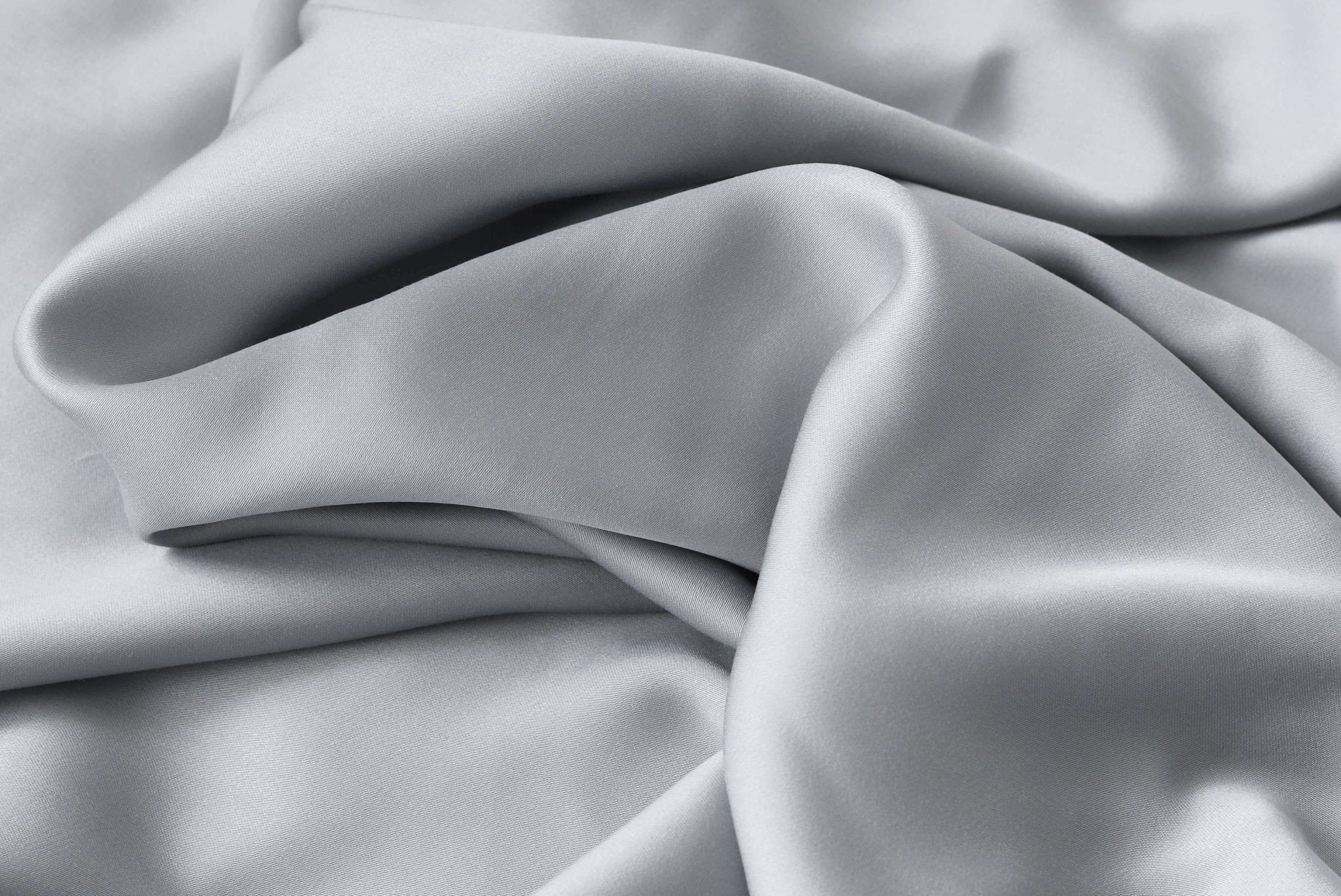
It's luxuriously soft, and more breathable than similar fabrics made from the same raw material, including viscose. It's naturally moisture-wicking and good at absorbing moisture, which, combined with its breathability, makes it excellent at helping you stay a comfortable temperature through the night. It's also durable and easy to care for, it softens with every wash and de-wrinkles naturally.
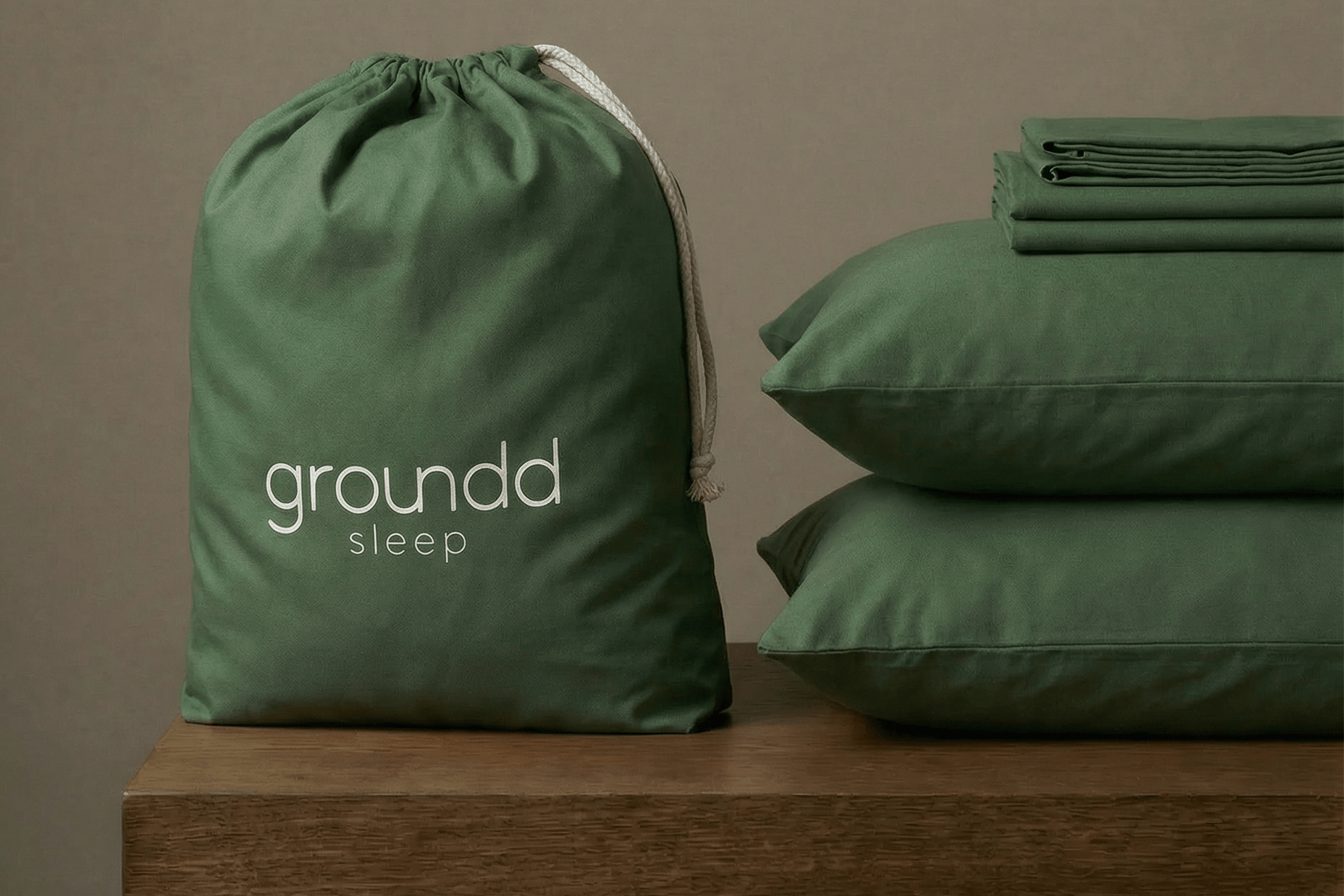
That's why our Groundd weighted blanket covers and bamboo sheet sets are made from bamboo lyocell rather than cheaper synthetic blends. When lyocell is blended with synthetic fibres to cut costs, some of what makes it special, particularly the breathability, is lost. Ours are OEKO-TEX certified, meaning the fabric has been tested for harmful substances, so you know exactly what you're sleeping against.
Soft, breathable, temperature-regulating, and made to be slept on night after night. That's the short version of why we chose it.



Leave a comment
This site is protected by hCaptcha and the hCaptcha Privacy Policy and Terms of Service apply.